01
Requirement analysis
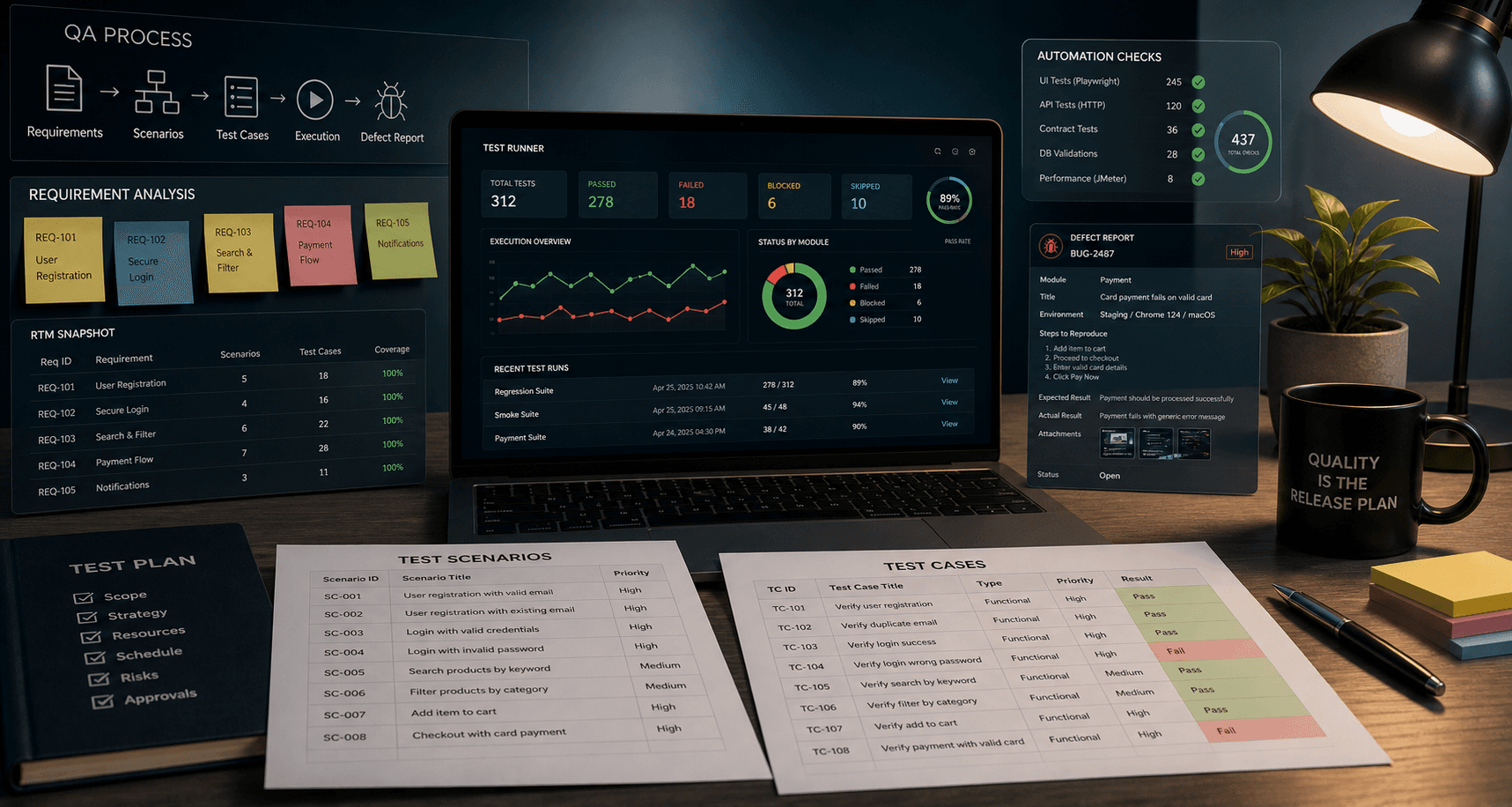
Study the Requirement Analysis Document, clarify ambiguity, identify risk areas, and turn requirements into test scenarios, cases, and traceability coverage.
QA
I design test coverage, catch release risks, and document defects developers can act on. For hiring managers who need a QA engineer who can plan, execute, automate, and explain the state of quality before a release.
QA position
I do not just click through screens. I turn requirements into release evidence: RTMs, cases, execution records, defects, automation, and performance reports.
Written from the Requirement Analysis Document with scenarios and RTM analysis.
Launch-readiness coverage across core SaaS workflows.
JMeter load tests used to expose backend bottlenecks.
QA story
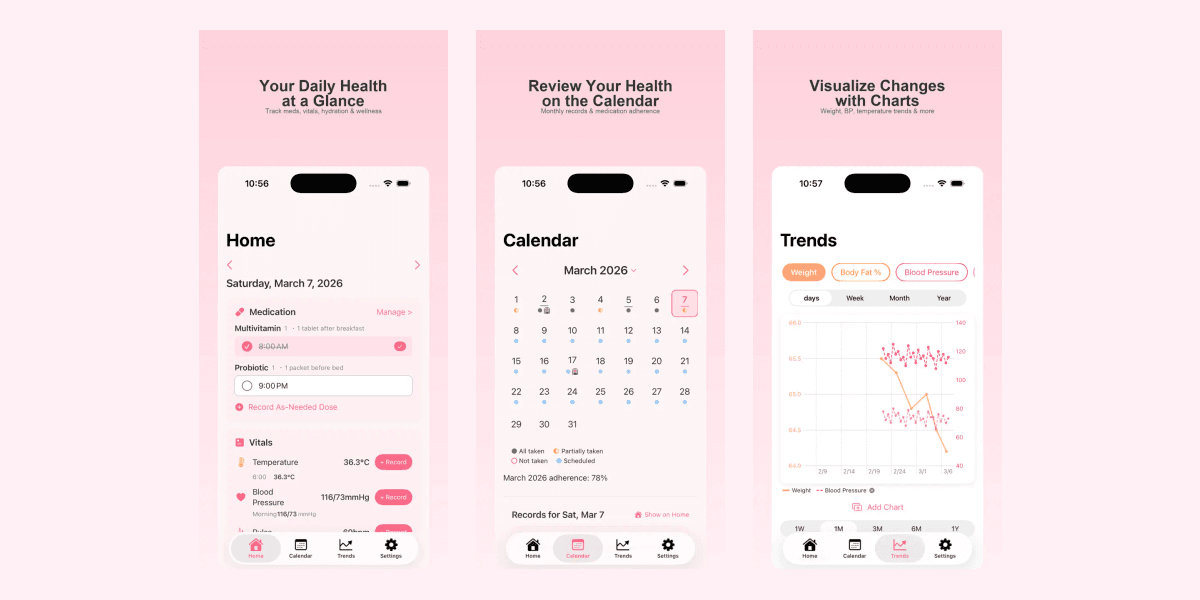
At Renuir, I work as the Test Engineer. I used the Requirement Analysis Document to write test scenarios, 173 test cases, and RTM analysis across 20+ feature modules, helping the team see what was ready, what was blocked, and what still needed attention before launch.
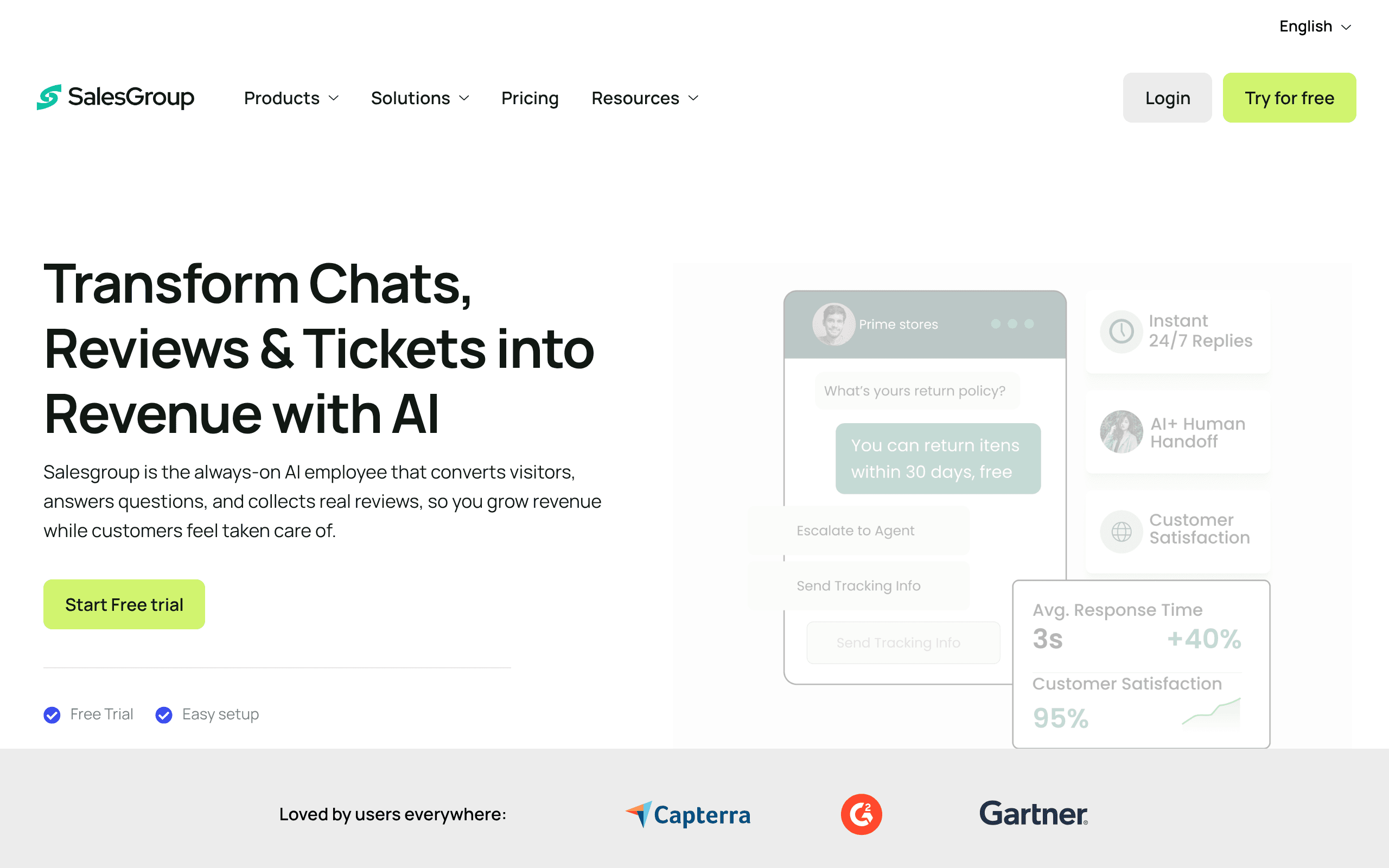
At RaftMedia, I led QA for Salesgroup.ai with 75+ launch-readiness test cases, JMeter performance tests from 100 to 500 concurrent users, API validation with Postman and Rest Assured, and continuous testing through Jenkins and GitHub Actions.
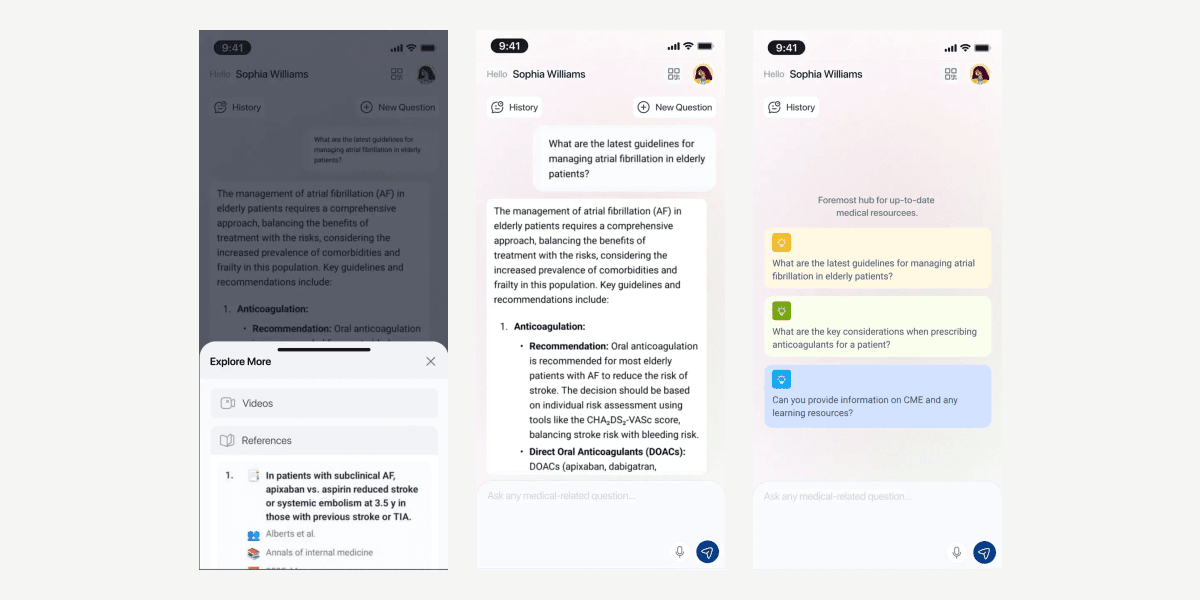
In healthcare AI work, I tested more than UI behavior: CORS, auth flows, serialization, E2E journeys, AI response quality, relevance, safety, and release smoke coverage across web and mobile.
Process
01
Study the Requirement Analysis Document, clarify ambiguity, identify risk areas, and turn requirements into test scenarios, cases, and traceability coverage.
02
Map each requirement to scenarios and test cases so coverage gaps are visible before release pressure begins.
03
Write preconditions, data, steps, expected results, priority, and platform coverage using BVA, ECP, decision tables, and negative paths.
04
Run smoke, functional, E2E, regression, API, and mobile tests while capturing reproducible evidence for every failure.
05
Use Playwright, Postman, Rest Assured, Apache JMeter, Jenkins, and GitHub Actions where automation gives faster release feedback.
06
Report severity, priority, actual vs expected behavior, root-cause notes, retest results, and closure evidence.
Techniques
The reference page showed this well: smart QA explains why a few carefully chosen cases can cover a large risk surface.
BVA / ECP widget
Example: an age field accepts values from 18 to 56. I do not test every number. I partition the input space and focus on the boundaries where off-by-one bugs usually appear.
Invalid
< 18, e.g. 17
Valid
18 to 56
Invalid
> 56, e.g. 57
Classify a value to see how the input space is tested.
Live demo
This is a small demo, but the artifact shape is real: test ID, expected vs actual, severity, priority, environment, and reproduction steps.
Mock app
Valid login: ayodele@test.com / Test@123. The empty-field case intentionally fails so the bug report appears.
Run a failing negative case to generate the defect report.
Test suite
Toolkit
QA case studies